

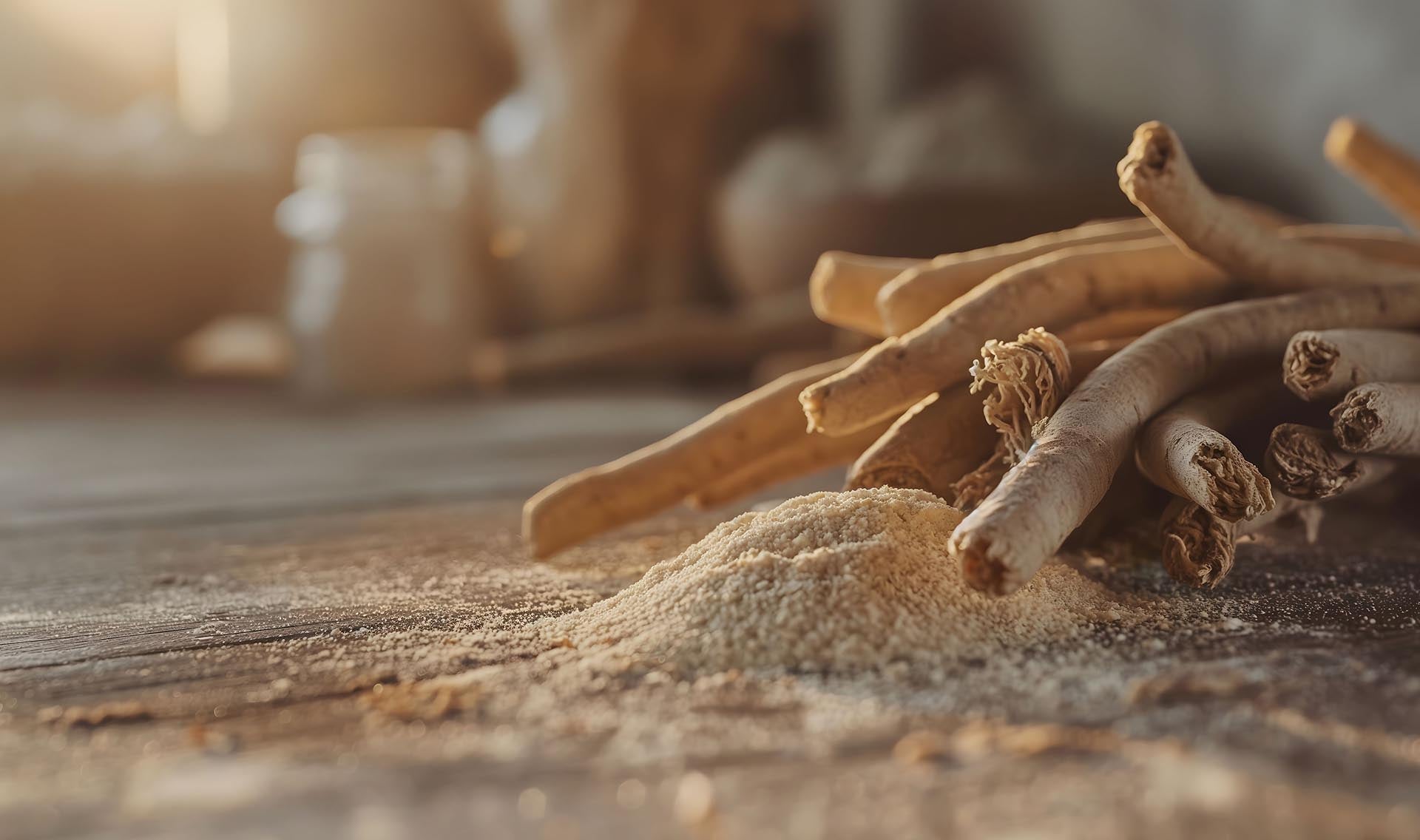
Ashwagandha - a popular herb with versatile properties
Adaptogens are becoming increasingly popular in supplementation. Ashwagandha is undoubtedly the most popular among them. What is this plant, what are its properties, and when should you use it? Read on!
Ashwagandha, what is it?
Ashwagandha, also known as withania somnifera, is also called Indian ginseng. It's a plant native to Africa, Asia, Sri Lanka, and India. What is ashwagandha? It's a small shrub with bell-shaped yellow flowers that develop into round orange fruits. However, in Indian medicine, the root of the withania somnifera is primarily used. Ashwagandha is widely processed into dietary supplements due to its high content of biologically active compounds. Knowing what ashwagandha is and using it can effectively impact your daily life!
Ashwagandha properties
In this distinctive plant, ashwagandha, adaptogenic properties are primarily found in the root. These properties mean that the plant has a positive effect on the nervous and immune systems. It reduces stress-related disorders, promotes deep and restorative sleep, and reduces fatigue. Is ashwagandha healthy? It's a safe supplement, provided it's used according to label directions and in the absence of contraindications. Ashwagandha's properties are particularly appreciated these days, when stress and excessive responsibilities significantly impact quality of life. What does ashwagandha help with? It's excellent in supplements for sleep , memory, and concentration .
Ashwagandha, what does it help with?
When it comes to the supplement ashwagandha, what is it used for? Primarily, it's valued for its calming effects. What does ashwagandha do? Reducing stress and boosting vitality works on many levels – it promotes better, more restorative sleep, allows for more activity (e.g., regular exercise), promotes better interpersonal relationships, and increases work performance. Knowing what ashwagandha does can help you more effectively manage your well-being on a daily basis.
Ashwagandha action
The adaptogenic effect of ashwagandha seems to be paramount. However, it's also worth knowing how ashwagandha works in other areas. It can alleviate perimenopausal symptoms, positively impact sperm viability and motility, thus promoting fertility, help with arthritis, and even alleviate some pain. Does ashwagandha stimulate? The best part about using it is that it's not a typical stimulant like caffeine, so it boosts energy without generating the typical "kick" you get after a cup of coffee. It also doesn't cause energy drops throughout the day.
Ashwagandha dosage
Always follow the manufacturer's instructions on the label to avoid overdosing and observe its beneficial effects. When it comes to ashwagandha supplements, the daily dosage should be 1-2 tablets. How many mg of ashwagandha should you consume daily? The recommended amount is 300 to 500 mg of standardized extract. Regarding standardization, make sure the ashwagandha you're purchasing contains at least 2.5% withanolides. If you're considering adding ashwagandha to your diet, how should you use this supplement? Aim for a long-term treatment. How long should you use ashwagandha? The effects of this supplement begin to be noticeable after about 8 weeks, and a full course of treatment should last about 3 months to prevent the body from developing a tolerance to the adaptogen. The ashwagandha dosage should be gradually reduced over about 2 weeks, followed by a break of several weeks.
Ashwagandha overdose
Is it possible to overdose on ashwagandha? Taking more than the recommended daily amount can lead to hyperthyroidism, high blood pressure, overstimulation, and even seizures. Therefore, when it comes to adaptogens like ashwagandha, overdose is possible – you can only prevent it by strictly following the prescribed daily doses and not exceeding them. Double doses should not be taken, even if one dose is missed.
Is ashwagandha addictive?
Among the many questions asked about this herb, the most popular is undoubtedly one: is ashwagandha addictive? This herb doesn't cause dependence in the strict sense of the word. You can discontinue supplementation at any time, but this can cause a decrease in mood and energy, so it's best to do it gradually. Is ashwagandha safe? You can use it safely if you have no contraindications, but take breaks between supplements to avoid building up a resistance to its effects.
Best ashwagandha tablets or capsules?
When it comes to supplements like ashwagandha, tablets are the most popular due to their ease of administration. Which ashwagandha is best? In fact, the best form of ashwagandha varies for everyone. Ashwagandha tablets can be taken anywhere, anytime, without the need to dissolve in water. Powdered ashwagandha, on the other hand, is easier for those who have trouble swallowing. Which ashwagandha is right for you? Focus primarily on its composition, meaning a high concentration of withanolides per dose. Good ashwagandha tablets will have the exact amount of this ingredient listed on the label.
Ashwagandha contraindications
Contraindications for use of ashwagandha are quite broad. Individuals undergoing treatment for thyroid disease, taking sleep medications, antidepressants, or antiepileptic medications, as well as patients treated for hypertension or diabetes, should consult a physician. Due to its irritating effect on the gastric mucosa, supplementation should be avoided on an empty stomach or in individuals with ulcers.
Ashwagandha for children
Ashwagandha should generally not be used for children. It is a dietary supplement intended primarily to help adults manage the effects of stress, insomnia, and lack of vitality, problems that typically do not affect children. It should be used in younger patients only after consultation and under the supervision of a specialist.
Ashwagandha during pregnancy and breastfeeding
Due to the lack of sufficient research in this area, ashwagandha should not be used during pregnancy. Ashwagandha and breastfeeding are also controversial. During this time, avoid any medications or dietary supplements unless they have been recommended by your doctor and are necessary for the health of the mother and fetus.
Ashwagandha and hypertension
Ashwagandha and hypertension are a separate topic. This plant has a blood pressure-lowering effect, so when combined with medications with the same effect, it can cause hypotension, a dangerous condition of low blood pressure. So, does ashwagandha lower blood pressure? Yes, so you should consult a doctor about supplementation if you have blood pressure problems. And does ashwagandha raise blood pressure, since it has a stimulating effect? No, it regulates the nervous system, therefore improving vitality without raising blood pressure.
Ashwagandha side effects
For people taking the adaptogen ashwagandha, the most common side effects include nausea, diarrhea, and vomiting. Ashwagandha's side effects are generally mild, but if they occur, it's worth considering discontinuing use.
Ashwagandha reviews
For those planning to supplement with the herb ashwagandha, user and doctor reviews can be crucial. It's worth reviewing them to know what to expect after starting.

